/ Oct 22, 2026
Trending
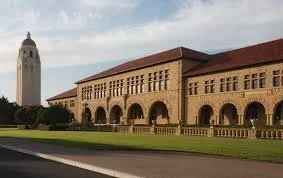
Most famous U.S. universities are historic in origin, but their global reputation today comes from a powerful blend of long-standing tradition and modern innovation. When people think of America’s most prestigious institutions—such as Harvard, Yale, Princeton, Columbia, and the University of Pennsylvania—they are often referring to universities founded centuries ago, many even before the United States itself became a nation. However, some of the most influential and globally recognized universities are relatively modern, proving that academic excellence in the U.S. is not limited to age alone.
The historic roots of American higher education are closely tied to the colonial era. Harvard University, founded in 1636, is the oldest university in the United States and remains one of the most respected institutions in the world. Other Ivy League universities, including Yale (1701) and Princeton (1746), were established to educate clergy, political leaders, and scholars in the early colonies. Their longevity has allowed them to build strong traditions, vast libraries, influential alumni networks, and deep academic cultures. This long history gives historic universities a sense of prestige and authority that continues to shape global perceptions of American education.
Despite their age, these historic universities are far from outdated. Many have evolved into cutting-edge research powerhouses, leading advancements in science, medicine, economics, and the humanities. Their ability to modernize while preserving tradition is a key reason they remain dominant in global rankings. Historic universities benefit from substantial endowments, enabling them to invest in advanced facilities, attract top faculty, and support groundbreaking research.

At the same time, several of the most famous U.S. universities are modern institutions that rose to prominence in the late 19th and 20th centuries. Stanford University, founded in 1885, is a prime example. Although younger than the Ivy League, Stanford has become one of the world’s most influential universities due to its close ties with Silicon Valley, entrepreneurship, and technological innovation. Similarly, the Massachusetts Institute of Technology (MIT), founded in 1861, is globally recognized for engineering, artificial intelligence, and scientific research, despite being relatively modern compared to colonial-era universities.
Modern universities often excel in practical education, interdisciplinary research, and industry collaboration. They are more flexible in adapting to new fields such as data science, biotechnology, and renewable energy. This adaptability allows them to compete directly with historic institutions and, in some cases, surpass them in specific disciplines.
In conclusion, most famous U.S. universities are historic in age, but their fame today is sustained by modern excellence. At the same time, modern universities have proven that innovation, research impact, and global influence can rival centuries of tradition. The true strength of American higher education lies not in whether a university is historic or modern, but in its ability to evolve, innovate, and lead in a changing world.
Most famous U.S. universities are historic in origin, but their global reputation today comes from a powerful blend of long-standing tradition and modern innovation. When people think of America’s most prestigious institutions—such as Harvard, Yale, Princeton, Columbia, and the University of Pennsylvania—they are often referring to universities founded centuries ago, many even before the United States itself became a nation. However, some of the most influential and globally recognized universities are relatively modern, proving that academic excellence in the U.S. is not limited to age alone.
The historic roots of American higher education are closely tied to the colonial era. Harvard University, founded in 1636, is the oldest university in the United States and remains one of the most respected institutions in the world. Other Ivy League universities, including Yale (1701) and Princeton (1746), were established to educate clergy, political leaders, and scholars in the early colonies. Their longevity has allowed them to build strong traditions, vast libraries, influential alumni networks, and deep academic cultures. This long history gives historic universities a sense of prestige and authority that continues to shape global perceptions of American education.
Despite their age, these historic universities are far from outdated. Many have evolved into cutting-edge research powerhouses, leading advancements in science, medicine, economics, and the humanities. Their ability to modernize while preserving tradition is a key reason they remain dominant in global rankings. Historic universities benefit from substantial endowments, enabling them to invest in advanced facilities, attract top faculty, and support groundbreaking research.
At the same time, several of the most famous U.S. universities are modern institutions that rose to prominence in the late 19th and 20th centuries. Stanford University, founded in 1885, is a prime example. Although younger than the Ivy League, Stanford has become one of the world’s most influential universities due to its close ties with Silicon Valley, entrepreneurship, and technological innovation. Similarly, the Massachusetts Institute of Technology (MIT), founded in 1861, is globally recognized for engineering, artificial intelligence, and scientific research, despite being relatively modern compared to colonial-era universities.
Modern universities often excel in practical education, interdisciplinary research, and industry collaboration. They are more flexible in adapting to new fields such as data science, biotechnology, and renewable energy. This adaptability allows them to compete directly with historic institutions and, in some cases, surpass them in specific disciplines.
In conclusion, most famous U.S. universities are historic in age, but their fame today is sustained by modern excellence. At the same time, modern universities have proven that innovation, research impact, and global influence can rival centuries of tradition. The true strength of American higher education lies not in whether a university is historic or modern, but in its ability to evolve, innovate, and lead in a changing world.